Notice: Function Elementor\Core\Experiments\Manager::warn_removed_or_hidden_dependency was called incorrectly. Feature mega-menu depends on hidden experiment nested-elements. Please see Debugging in WordPress for more information. (This message was added in version 4.3.4.) in /home2/rvfxeate/eraproservices.com/wp-includes/functions.php on line 6260

Warning: Cannot modify header information - headers already sent by (output started at /home2/rvfxeate/eraproservices.com/wp-includes/functions.php:6260) in /home2/rvfxeate/eraproservices.com/wp-includes/feed-rss2.php on line 8
Era Pro Services https://eraproservices.com/ Chimney Sweep and repair Denver Sun, 01 Sep 2024 17:09:09 +0000 en-US hourly 1 https://wordpress.org/?v=7.1.2 https://eraproservices.com/wp-content/uploads/2023/02/EraPro-Chimney-logov2-150x150.png Era Pro Services https://eraproservices.com/ 32 32 Chimney Flashing https://eraproservices.com/chimney-flashing/ https://eraproservices.com/chimney-flashing/#respond Fri, 30 Aug 2024 17:00:20 +0000 https://eraproservices.com/?p=1931 Chimney flashing is an essential part of roofing that many people hardly pay attention to until there is an issue. This essential part will ensure that water does not leak into your home through the passage of the chimney and roof. As with any other home part, understanding the significance and the right time to […]

The post Chimney Flashing appeared first on Era Pro Services.

]]>

Chimney flashing is an essential part of roofing that many people hardly pay attention to until there is an issue. This essential part will ensure that water does not leak into your home through the passage of the chimney and roof. 

As with any other home part, understanding the significance and the right time to call for chimney flashing repair can prevent great losses and expensive fixes.

Why Chimney Flashing is Crucial?

Chimney flashing is crucial because it stops water from leaking where the chimney and roof meet. It’s typically made of strong aluminum, lead, or galvanized steel that can withstand water. This helps protect your home’s roof and inside spaces from water damage by directing water away from the chimney.

But if the chimney flashing has problems, water can seep into your home, causing:

  • Mold growth
  • Structural damage
  • Internal leaks

Common Repair Needs

Chimney flashing gets worn out because it’s outside in the weather. This makes it weak and prone to damage. Look out for signs of trouble like rust or corrosion on the flashing, and gaps between the flashing and the roof.

Sometimes, some of the flashings can become loose, which results in water leakage, which could cause a lot of damage. As for repairing chimney flashing, it is possible only if the damage is not very extensive and requires minor work. 

Small problems such as space or loosened nails can easily be covered using sealants or tightened up where the flashing was placed. However, more serious damage might lead to the need for partial or complete replacement of the flashing.

Roof Flashing Repair

Roof flashing repair is one of the most important processes that is often ignored when it comes to home repair. Roof flashing not only refers to the flashing done around the chimney but also encompasses all roof flashing. 

Anywhere you see visible signs of leaking or behavior of water, roof flashing repair can help repair the situation and protect against further damage to the structure of your house.

When To Seek Chimney Repair

In some cases, the problems are wider than the flashing area of your chimney. If signs show that the chimney is damaged, such as cracks or missing mortar, you must undertake a more complicated chimney repair. 

These include bricklaying where necessary, repairing eroded bricks, or consolidating the chimney stack.

The Bottom Line

That being said, there are cases wherein homeowners can fix small issues, but chimney flashing and roof flashing repairs are best left to professionals. An expert can possess the right tools and knowledge to diagnose and fix the problem appropriately and accurately.

Don’t risk your home’s safety; contact a skilled professional today for an assessment and ensure your roof and chimney are in optimal condition. 

Protect your investment and enjoy peace of mind knowing your home is secure.

The post Chimney Flashing appeared first on Era Pro Services.

]]>
https://eraproservices.com/chimney-flashing/feed/ 0
How To Sweep A Chimney https://eraproservices.com/how-to-sweep-a-chimney/ https://eraproservices.com/how-to-sweep-a-chimney/#respond Tue, 20 Aug 2024 11:23:13 +0000 https://eraproservices.com/?p=1915 A clean chimney is important for the safety of those living in your house and the efficiency of your fireplace or wood stove. Any form of soot and other blockages could accumulate in a chimney, which poses a significant threat to life. To prevent these hazards, one needs to observe routine maintenance. The following guide […]

The post How To Sweep A Chimney appeared first on Era Pro Services.

]]>

A clean chimney is important for the safety of those living in your house and the efficiency of your fireplace or wood stove. Any form of soot and other blockages could accumulate in a chimney, which poses a significant threat to life.

To prevent these hazards, one needs to observe routine maintenance. The following guide will help you sweep a chimney and give you hints on how to keep it in good condition.

What Do You Need to Clean Up The Chimney?

  • Chimney brush (ensure it fits)
  • Additional rods
  • Tarpaulin/ drop cloth
  • Safety gear (dust mask & goggles e.g.)
  • Torchlight
  • Ladder (if cleaning from above)

Reasons To Sweep Your Chimney- Steps To Follow

Chimney sweeping is not just an ordinary task but part of home maintenance. Smoke, water vapor, gases, and unburned wood particles are emitted whenever wood burns inside your fireplace. Moreover, creosote buildup has a tar-like appearance and is highly flammable, increasing the risk of fireplace fires. Regular cleaning and maintenance can help prevent this hazard

Furthermore, occasional cleaning removes these remnants reduces the risks associated with unintended fires, and enhances the proper functioning of your flue. Furthermore, when the flue system is clean, there will be improved air circulation, which means that your fireplace or wood-burning stove will burn more efficiently. This will give you more heat and less smoke entering your home, enabling you to enjoy a comfortable life free from polluted indoor air.

Step 1: Prepare Your Area

Ensure that no heat is left in the hearth before doing anything else. During cleaning, place a tarp or a drop cloth around the fireplace so that any falling soot or debris is captured here instead of messing up everywhere else.

Step 2: Examine the Chimney

Use a flashlight and direct it up into the chimney to check if there is any blockade or a thick layer of soot. If they are too big, then you need to call an expert.

Step 3: Pick Your Method

There are two ways through which chimneys can be swept:

  • Top Down: This involves climbing over the roof and attaching brush rods before working through this channel in an upward-downward motion.
  • Bottom Up: This is done inside. Attach a brush rod and push it up the flue using an upward and downward motion like before.

Go with what you feel comfortable with.

Step 4: Sweep the Chimney

Start brushing, ensuring that all sections of the chimney have been touched. For those adopting a top-down approach, take care when moving from the top of the roof downwards. In the case of a bottom-up approach, push towards the fireplace using a broomstick.

Step 5: Clean Up

After sweeping, ensure that any soot or debris that fell onto your tarpaulin is removed. Use a brush to clear out any remaining soot while vacuuming around here for others.

Conclusion

Regular fireplace flue cleaning is vital for home safety. If you’re uncomfortable with heights, unsure about cleaning, or it’s been too long since the last cleaning, don’t hesitate – hiring a professional chimney sweep is mandatory to guarantee a safe and thorough job. 

This means that everything will be well-cleaned and safe, enabling one to have peaceful moments near the fireplace.

The post How To Sweep A Chimney appeared first on Era Pro Services.

]]>
https://eraproservices.com/how-to-sweep-a-chimney/feed/ 0
Fireplace Inserts https://eraproservices.com/fireplace-inserts/ https://eraproservices.com/fireplace-inserts/#respond Sat, 10 Aug 2024 10:38:05 +0000 https://eraproservices.com/?p=1896 Fireplace Inserts Explained- Gas, Electric, and Wood Burning Choices for Every Home When it comes to keeping your house warm and comfortable fireplace inserts are the way to go. These modern options are not only improvements over your current fireplace but also in a range of styles and fuel sources. Some people find gas fireplace […]

The post Fireplace Inserts appeared first on Era Pro Services.

]]>

Fireplace Inserts Explained- Gas, Electric, and Wood Burning Choices for Every Home

When it comes to keeping your house warm and comfortable fireplace inserts are the way to go. These modern options are not only improvements over your current fireplace but also in a range of styles and fuel sources. 

Some people find gas fireplace inserts quite convenient, and others prefer an easy-to-use electric fireplace insert or traditional wood-burning fireplace inserts.

What are Fireplace Inserts?

A fireplace insert is an appliance designed to properly fit your existing fireplace and make it a better heat source. These inserts are simply stoves, fire-proof boxes made of steel or cast iron with insulated glass doors.

This design enables them to achieve higher heat output with a smaller fuel input. Besides, they can also assist in cutting energy expenses and decreasing the carbon footprint to make it a sustainable solution.

Types of Fireplace Inserts

Gas Fireplace Inserts

Many homeowners have favored gas fireplace inserts due to their simplicity and effectiveness. These inserts utilize natural gas or propane and are easy to operate.

  • Convenience: No need to chop wood or clean up ashes.
  • Efficiency: High heat output with less fuel.
  • Ease of Use: Simple on/off with a remote control.
  • Clean Burning: Produces fewer emissions than wood-burning fireplaces.

Electric Fireplace Insert

Consider buying an electric fireplace insert if you want something basic but secure. These inserts appear as real flames and can be plugged into any room with an electrical outlet.

  • Installation: Easy to set up; no chimney needed.
  • Safety: Cool to the touch, safe for kids and pets.
  • Maintenance: Very little upkeep; just plug it in.
  • Versatility: Can be used all year round for heat and decoration.

Wood Burning Fireplace Insert

If one wants a fireplace that will give that natural feeling of having a wood fire, then a wood-burning fireplace insert would suit him. These inserts provide a more conventional, country-style appearance.

  • Authenticity: Offers a genuine, old-fashioned feel.
  • Fuel Source: Uses renewable firewood.
  • Heat Output: Great for warming large areas.
  • Eco-Friendly: Modern inserts are more efficient and produce fewer emissions.

Choosing the Right Fireplace Insert

Before selecting which fireplace insert you want to purchase for your home, consider your heating needs, style, and availability of fuel. Every type has advantages, so consider the pros and cons and choose the best.

  • Location: Decide where to install the insert and check for venting or electrical requirements.
  • Budget: Consider the cost, installation fees, and ongoing fuel or electricity costs.
  • Style: Choose an insert that matches your home’s look and feel.

Conclusion

Fireplace inserts are a valuable addition to the home in terms of heating and aesthetics. You can have it depending on your preference for a more efficient heat source, such as a gas fireplace insert, the simplicity and reliability of an electric fireplace insert, or the old-world feel of a wood-burning fireplace insert. 

If keeping your fireplace in good shape is a concern, don’t worry. Visit Era Pro Services for top-quality chimney care and maintenance solutions.

Transform your home environment to a cozy and comfortable one by installing the right fireplace insert for better heating and environmental conservation.

The post Fireplace Inserts appeared first on Era Pro Services.

]]>
https://eraproservices.com/fireplace-inserts/feed/ 0
Chimney Liner https://eraproservices.com/chimney-liner/ https://eraproservices.com/chimney-liner/#respond Wed, 31 Jul 2024 16:16:28 +0000 https://eraproservices.com/?p=1882 Chimney flashing is an essential part of roofing that many people hardly pay attention to until there is an issue. This essential part will ensure that water does not leak into your home through the passage of the chimney and roof.  As with any other home part, understanding the significance and the right time to […]

The post Chimney Liner appeared first on Era Pro Services.

]]>

Chimney flashing is an essential part of roofing that many people hardly pay attention to until there is an issue. This essential part will ensure that water does not leak into your home through the passage of the chimney and roof. 

As with any other home part, understanding the significance and the right time to call for chimney flashing repair can prevent great losses and expensive fixes.

Why Chimney Flashing is Crucial?

Chimney flashing is crucial because it stops water from leaking where the chimney and roof meet. It’s typically made of strong aluminum, lead, or galvanized steel that can withstand water. This helps protect your home’s roof and inside spaces from water damage by directing water away from the chimney.

But if the chimney flashing has problems, water can seep into your home, causing:

  • Mold growth
  • Structural damage
  • Internal leaks

Common Repair Needs

Chimney flashing gets worn out because it’s outside in the weather. This makes it weak and prone to damage. Look out for signs of trouble like rust or corrosion on the flashing, and gaps between the flashing and the roof.

Sometimes, some of the flashings can become loose, which results in water leakage, which could cause a lot of damage. As for repairing chimney flashing, it is possible only if the damage is not very extensive and requires minor work. 

Small problems such as space or loosened nails can easily be covered using sealants or tightened up where the flashing was placed. However, more serious damage might lead to the need for partial or complete replacement of the flashing.

Roof Flashing Repair

Roof flashing repair is one of the most important processes that is often ignored when it comes to home repair. Roof flashing not only refers to the flashing done around the chimney but also encompasses all roof flashing. 

Anywhere you see visible signs of leaking or behavior of water, roof flashing repair can help repair the situation and protect against further damage to the structure of your house.

When To Seek Chimney Repair

In some cases, the problems are wider than the flashing area of your chimney. If signs show that the chimney is damaged, such as cracks or missing mortar, you must undertake a more complicated chimney repair. 

These include bricklaying where necessary, repairing eroded bricks, or consolidating the chimney stack.

The Bottom Line

That being said, there are cases wherein homeowners can fix small issues, but chimney flashing and roof flashing repairs are best left to professionals. An expert can possess the right tools and knowledge to diagnose and fix the problem appropriately and accurately.

Don’t risk your home’s safety; contact a skilled professional today for an assessment and ensure your roof and chimney are in optimal condition. 

Protect your investment and enjoy peace of mind knowing your home is secure.

The post Chimney Liner appeared first on Era Pro Services.

]]>
https://eraproservices.com/chimney-liner/feed/ 0
Chimney Chase Covers https://eraproservices.com/chimney-chase-covers/ https://eraproservices.com/chimney-chase-covers/#respond Mon, 01 Jul 2024 16:53:35 +0000 https://eraproservices.com/?p=1872 Can I Repair The Chimney Chase Cover Myself? Running into a DIY chimney chase cover repair is not unusual when receiving an inspection call for a home. It’s understandable that with cost in mind, you’d want to follow an instructional guide on how to repair things yourself. However, chimney chase covers are not recommended to […]

The post Chimney Chase Covers appeared first on Era Pro Services.

]]>

Can I Repair The Chimney Chase Cover Myself?

Running into a DIY chimney chase cover repair is not unusual when receiving an inspection call
for a home. It’s understandable that with cost in mind, you’d want to follow an instructional
guide on how to repair things yourself. However, chimney chase covers are not recommended
to be one of them.
Customers encounter many problems during a DIY attempt. Safety is one! Being on a roof is
dangerous and not having the proper safety equipment is not a risk you should take.
Taking apart the chimney chase cover is also tricky, depending on how the chase cover was
installed can determine how difficult it is to remove. There are also surrounding materials and
components like brick, siding, collar, cement, to take into consideration during removal. These
components also need to be addressed and evaluated in case they too are damaged.
Unexpected discoveries during a chimney chase cover replacement like animals, possess a
serious health hazard. Animals found in the chimney require professional removal to avoid
disease exposure found alive or otherwise. These animals can scurry out from disturbance
potentially injuring you.
Appropriate measurements of the length, width, flue pipe hole, collar, skirt are key to a proper
fit. Chimney chase covers are a customized with several materials on the market to choose
from. We recommend stainless steel and copper, although expensive are reliable, durable and
long lasting. Materials like galvanized steel and aluminum should be avoided as galvanize rusts
easily and aluminum cannot guarantee longevity. This installation process takes into
consideration all aspects of your chimney for safe and functional use.

Why Do I Need To Replace My Chimney Chase Cover?

Manufacturing defects are not at fault to the home owner but without experience are difficult to
recognize. Defects in the chimney chase cover should be replaced and installed to protect your
chimney.
Improper installation will wear down the chimney chase cover quicker leading to complications
and damage to your chimney and home.
Rusting is not only a physical blemish to your chimney chase cover but also indicates possible
corrosion. This corrosion damages the chase cover, creating cracks and holes to allow water to
seep in, less heat retention for your chimney and animal and debris to enter.

Professional Repair and Chimney Sweep

We recommend leaving it up to one of our trained chimney professionals who have the
experience to measure and safely install and repair your chimney chase cover. With all of the
issues that come with a damaged chase cover, professional installation is ideal to ensure your
new investment will last and protect your home. In addition to a proper install, a trained
professional can diagnose if there are structural damages to attend to prior to replacement. All
surrounding components of your chimney should be thoroughly inspected to prevent further
damage.

The post Chimney Chase Covers appeared first on Era Pro Services.

]]>
https://eraproservices.com/chimney-chase-covers/feed/ 0
Chimney Crown https://eraproservices.com/chimney-crown/ https://eraproservices.com/chimney-crown/#respond Sat, 15 Jun 2024 22:13:00 +0000 https://eraproservices.com/?p=1803 If you are here, you are probably wondering about how chimney crown are made and what’s the importance of them, if you wonder all this, this is the right place to explore all the basic details of a chimney crown. Introduction: A chimney crown is a concrete cover that sits on top of the brick […]

The post Chimney Crown appeared first on Era Pro Services.

]]>

If you are here, you are probably wondering about how chimney crown are made and what’s the importance of them, if you wonder all this, this is the right place to explore all the basic details of a chimney crown.


Introduction:

A chimney crown is a concrete cover that sits on top of the brick on a masonry chimney. The crown is used to prevent water from coming into the chimney and deteriorate the masonry or leak into the house. A good chimney crown will increase the life span of a chimney by protecting it from water, (the main culprit of chimney damage) it operates as a shield against extreme weather conditions like heavy rain or floods. If you want to learn more about chimney crowns, the importance of it, and what to do if it’s damaged, glide through this article, which sheds light on all the aspects of the chimney crown.


What is a Chimney Crown?

The chimney crown is the upper part of a chimney, and its body is composed of concrete. Its construction matters the most, a well-constructed chimney crown prevents precipitation from entering your fireplace or house. There are two ways to make a crown, a pour in crown which is poured into metal or wood framing, or a wash, which means its built by hand and tools with no framing. A pour in chimney crown must overhang past the brick, and a wash crown is made to the brick edge and both will diverts the water to the roof, where it can easily drain into gutters.

The main purpose of a chimney crown is to keep the water flowing away from the chimney. So, it’s better to build a crown with a slight downward slope instead of a flat crown (it fails to function properly). To avoid larger cracks, chimney crowns are also constructed with mesh or reinforcing steel along with concrete. Because cracked chimney crowns fail to stop water from getting into the chimney or the house.


Why Chimney Crown is Considered Important?

If a chimney crown is absent, your chimney, fireplace and house are directly exposed to water from rain and melted snow. This water takes its way into your chimney, freezes quickly during winter, and creates several issues. Water, when it freezes, expands up to 10% and becomes a cause of cracks in bricks that deteriorate over time. This kind of spalling damage also becomes possible with a small amount of water. overtime, the masonry will deteriorate and will need more expensive repairs and many times a rebuild of the chimney which is an expensive and elaborate process.

 Apart from that, there are countless benefits of chimney crown. Let’s have a brief look at all!

⦁ It aids in protecting the masonry from water damage.

⦁ The chimney crown proves beneficial in restricting the entrance of water into the chimney.

⦁ Another great benefit is that the crown safeguards the entire chimney system from sparks that may cause a fire.

⦁ It also maintains the airflow up and into the chimney flue, and in turn, the chimney’s efficiency gets optimized.

⦁ It plays a major role in maximizing the lifespan of a chimney.

All these benefits clearly show why a chimney crown is considered the most important part of a fireplace.


Chimney Crown Repair:

The experts in the chimney industry believe that water is the major cause of damage to a chimney system. Factual data reveals that the Chimney Safety Institute of America (CSIA) entitled water as the biggest foe of a chimney structure. Being a top part, the chimney crown bears the violent elements and is specifically vulnerable to tire-out and cracks. Here, the main question is what to do if the chimney crown is damaged or cracked. A strong recommendation is directed toward chimney crown repair to prevent precipitation. Except for that, spalling is a countable factor indicating that the crown needs repair. 

Spalling occurs when masonry on the chimney crown begins to break and peel off or crack. If you inspect any signs of damage due to water or evidence of water infiltration like staining or inflorescence, the crown needs immediate repair. However, hiring a certified team of experts is a must to have satisfactory repair services. If you are not sure about the cause of the damage, contact professionals to inspect your chimney’s crown thoroughly, the experts will recommend the best solution according to the crown’s condition.


Chimney Crown Rebuilding:

All sorts of damages and decays of the entire chimney system are linked up with the entrance of water. Unfortunately, most of the damage occurs before you are aware. There are different ways to stop progressing damage and eliminate it, if the cracks are small we can make a restoration or a crown repair, when the cracks are too deep the best solution is rebuilding a well-constructed and well-maintained concrete crown. The process of building a good chimney crown is elaborate and takes skill, when done improperly, you might find yourself having to repeat that process within less than 10 years. It is important to use the right materials when building a chimney crown, to slope the edges, to reinforce it with metal, to do it at the right temperature, to let it cure the right way and much more.


Conclusion:

In conclusion, the entire chimney system revolves around the chimney crown, built with concrete on the top of a chimney. Its importance lies in its function because it acts as a water protector and increases the efficiency and lifespan of a chimney. Crown is a gateway, diverting water (from melted snow and rainfall) away from chimneys. Bear in mind that any damage to the crown may lead to severe decays to the chimney, and then repairing or rebuilding it becomes a need. For better inspection and suggestions, do contact a qualified and certified team of experts. Untrained staff build improper crowns that don’t stand for longer and fail to function properly.

The post Chimney Crown appeared first on Era Pro Services.

]]>
https://eraproservices.com/chimney-crown/feed/ 0
Pros and Cons of Chimney Clean Logs https://eraproservices.com/pros-and-cons-of-chimney-clean-logs/ https://eraproservices.com/pros-and-cons-of-chimney-clean-logs/#respond Sat, 08 Jun 2024 17:11:43 +0000 https://eraproservices.com/?p=1791 Do you own your chimneys and are looking forward to its regular cleaning method? This is the right place to navigate about chimney clean logs.Do you want to clear out your chimneys for more efficient functioning? Then, the chimney cleaning log is an authentic tool for disposing of sticky deposits from chimneys. As we know, […]

The post Pros and Cons of Chimney Clean Logs appeared first on Era Pro Services.

]]>

Do you own your chimneys and are looking forward to its regular cleaning method? This is the right place to navigate about chimney clean logs.
Do you want to clear out your chimneys for more efficient functioning? Then, the chimney cleaning log is an authentic tool for disposing of sticky deposits from chimneys. As we know, blockages of creosote or residue house the chimney flue, minimizing its working capability and increasing the risk of chimney fires. This explosive buildup can’t be neglected. Otherwise, it may endanger your house at risk of explosion. Utilizing chimney sweeping logs to scrape off thick creosote or debris keeps your chimneys clean and maintained. However, professional inspection and sweeping are crucial once a year.

What Do Chimney Cleaning Logs Do?

The creosote sweeping logs work through a specialized mechanism. The logs are comprised of heat-powered chemical additives that adhere to the creosote when you burn them. These chemicals move upward to the flue with the help of hot gases and then accumulate throughout your fireplace. This deposit of additives combats harmful creosote buildup and aids in its reduction. The logs’ action continues for a duration of 1 to 2 weeks, and in turn, creosote becomes more powdery. This loosened soot sometimes falls from the flue or is easy to remove with a brush.

Do Cleaning Logs Really Work?

When lighting up a fire, gasses that are not burnt during the combustion process move upward to your chimney and get emitted into the outer air. On travelling up, gases come in contact with the cold chimney flue. As a result, they condense and stick to the inside of the chimney flue. Then, cleaning logs work in reducing tar-like substances accumulated on your fireplaces. Thanks to the chemical additives, which react on burning the logs and alternate the structure of sticky creosote into flaky substances, it is convenient for a chimney owner to remove them. It is recommended to burn a chimney sweeping log on hot embers remaining from a regular wood fire. However, don’t consider logs a replacement for a qualified sweep.

Are Cleaning Logs Safe?

There are a few safety concerns that need to be addressed when using chimney sweep logs.
⦁ For personal safety, always keep a respiratory mask because you are exposed to hazardous substances like creosote, toxic fumes, and soot.
⦁ Bear in mind that creosote can be harmful in the presence of rugs or carpets. So, focus on protecting your home with floor-covering tarps.
⦁ Protect yourself from airborne hazards when using fireplace cleaning logs.
⦁ Avoid using wet firewood because it maximizes the chances of creosote formation inside your chimney flue.

Advantages of Chimney Cleaning Logs

There are a lot of benefits if you employ cleaning logs accurately, including:
⦁ Most cleaning log’s active ingredients (chemicals) perform with a dual action formula and help prevent new deposit formation in flue pipes.
⦁ The logs clean chimney flues, which, in turn, utilizes less wood and heats your home efficiently. It’s also cost-effective.
⦁ Cleaning logs are easy to use; simply keep the log in your chimneys and light it like burning a wood piece.
⦁ These can be stored and used later; they will still function effectively. Logs clear out the bottom and the sides of the pipes from creosote buildup.

Disadvantages of Chimney Cleaning Logs

The drawbacks of each and everything is a fact, which we can’t ignore. The same goes for the chimney cleaning log; this excellent tool also has some cons, including:
⦁ Logs are not a replacement for the certified sweep; no matter if you regularly use logs, annual professional sweeping is still compulsory.
⦁ Logs don’t remove creosote completely, and remaining loose deposits can also catch fire and increase the likelihood of chimney fires.
⦁ These logs are perfectly suitable for wood-burning chimneys but inappropriate for gas or propane fireplaces. You have to switch to other cleaning methods if your home has these types of chimneys.
⦁ Logs don’t work effectively for heavy creosote like Stage 2 deposit but help in only the reduction of debris.

How Often Should You Clean a Chimney?

It depends on how often you utilize your chimney, and animals and bees house the fireplace if rarely used. Secondly, when creosote buildup is 1/8-inch thick, it means your chimney requires cleaning. By employing logs on time, you can protect yourself from building a thicker layer of creosote and progress to the hardest stage. Don’t wait too long for cleaning if you intend to enjoy the efficient working of fireplaces. For regular users, it’s better to utilize a cleaning log every two months to avoid deposits. Another criterion recommends using a cleaning log after every 60 fires. Some studies claim to use 2 logs per season (start or mi of the season) if you fire once a day and 1 log per season if your chimney is used only on weekends.

When to Hire a Chimney Sweep?

According to the statement of “The Chimney Safety Institute of America (CSIA),” it is suggested to go for a professional sweep at least once a year, no matter if you have employed cleaning logs several times. The chimney sweep deeply inspects the entire fireplace and completely removes the debris from the duct and the bottom. Except for that, experts also clear out the damper, flue, and other parts of the fireplace. By hiring professional sweeping, your chimney is guaranteed free of creosote and other deposits. But don’t miss out on the occasional use of cleaning logs in between an annual certified inspection and cleaning.

Conclusion

In conclusion, the entire article revolves around cleaning logs and sheds light on all perspectives, their working, pros and cons, and other basic details. Shortly, chimney cleaning logs are worth the cost because they ensure the reduction of creosote and ease of cleaning loosened soot. However, following the manufacturer’s directions is necessary to maximize your home’s safety from explosive creosote materials. Logs are beneficial in many ways, bestowing peace of mind and efficient working of chimneys. However, logs don’t compensate for an annual professional inspection and sweep.


The post Pros and Cons of Chimney Clean Logs appeared first on Era Pro Services.

]]>
https://eraproservices.com/pros-and-cons-of-chimney-clean-logs/feed/ 0
Signs That My Chimney Needs Repair? Full Guide https://eraproservices.com/signs-that-chimney-needs-repair/ https://eraproservices.com/signs-that-chimney-needs-repair/#respond Tue, 14 Nov 2023 22:22:51 +0000 https://eraproservices.com/?p=1698 Chimney maintenance is crucial for the safety and efficiency of your fireplace and home. Knowing the signs that indicate your chimney needs repair can help you take timely action to prevent more severe damage. This guide will walk you through the common signs that your chimney may require attention.   Introduction to Chimney Maintenance Chimneys […]

The post Signs That My Chimney Needs Repair? Full Guide appeared first on Era Pro Services.

]]>
Chimney maintenance is crucial for the safety and efficiency of your fireplace and home. Knowing the signs that indicate your chimney needs repair can help you take timely action to prevent more severe damage. This guide will walk you through the common signs that your chimney may require attention.


Introduction to Chimney Maintenance

Chimneys are exposed to extreme conditions and wear over time. Regular inspection and maintenance are crucial to ensuring their longevity and functionality.
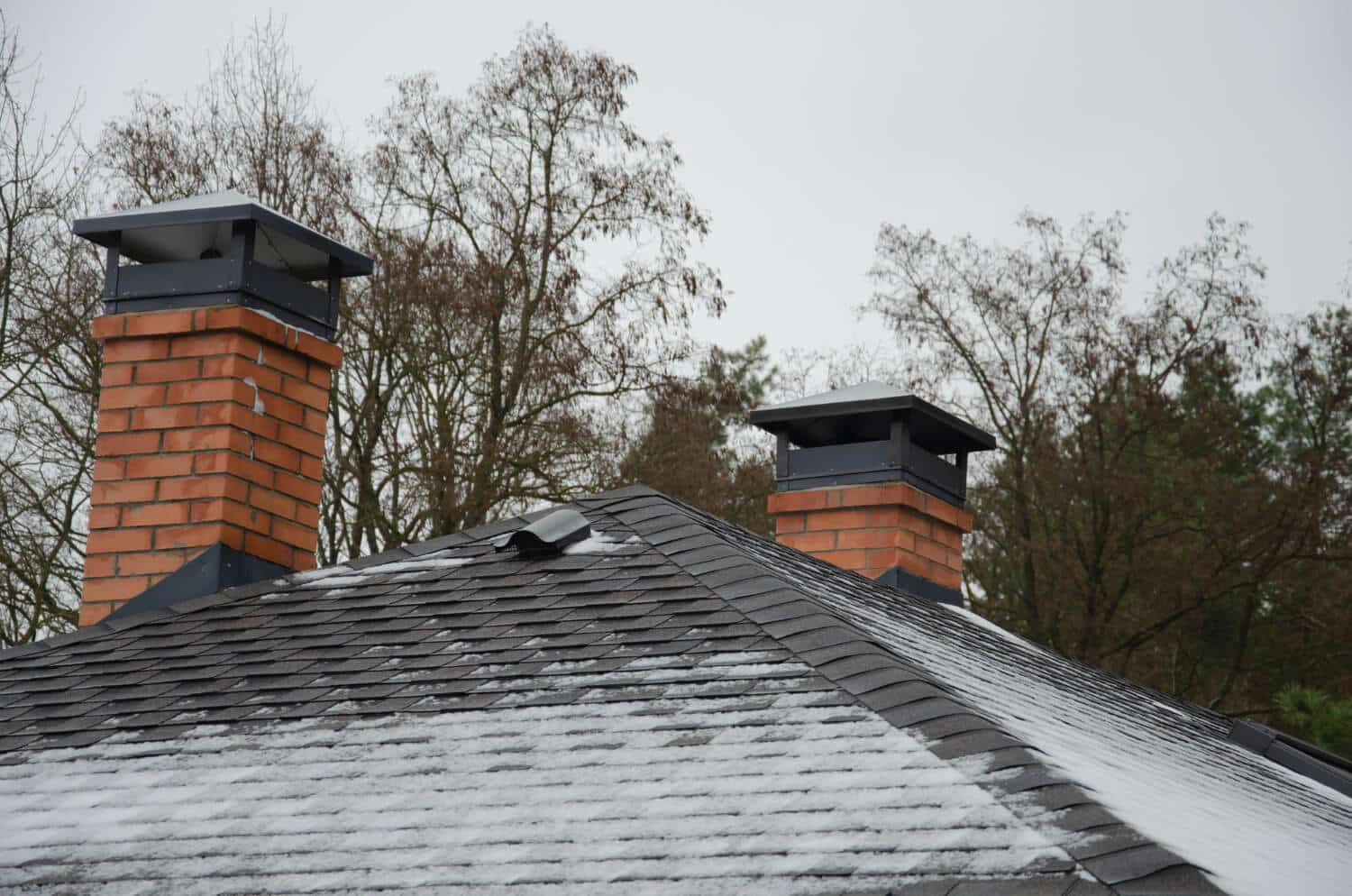
Chimney Cap Installation Denver


Common Signs Your Chimney Needs Repair

Foul or Smokey Smell

A foul or smokey smell indoors, especially during or after using the fireplace, could indicate an excessive creosote buildup in the chimney flue. This buildup can block the escape of toxic gases and increase the risk of a chimney fire​.

Masonry Degradation

Visible damage to the chimney masonry, such as chipped bricks or displaced mortar, suggests moisture absorption, which can lead to structural issues and mold growth​.

Crown Cracks

Cracks in the chimney crown, the top element of the chimney, are a sign of wear and potential water intrusion. The chimney crown acts as a shield against outdoor elements, and any damage can exacerbate water damage in other parts of the chimney​.

Worn Mortar Joints

Damaged mortar joints between bricks are a clear sign of deterioration. These joints are susceptible to moisture, which can cause the bricks to separate and the chimney structure to weaken​​​.

Interior Wall Damage

Water damage on the walls or ceiling around the chimney is often an indicator of leaks. This can lead to structural damage and mold if not addressed promptly​.

Visible Rust

Rust in the fireplace, especially on the damper or firebox, indicates water penetration. This is often due to cracks within the chimney structure​.

Long Time Since Last Inspection

A lack of regular inspections can lead to undetected issues. Annual chimney inspections are crucial for identifying and preventing potential problems​.


Addressing Chimney Repairs

Upon noticing any of these signs, it’s essential to consult a professional for a thorough inspection and appropriate repairs. Prompt action can prevent more significant and costly damage in the future.

Conclusion

Recognizing the signs that your chimney needs repair is vital for maintaining a safe and functional fireplace. Regular inspections and timely repairs can significantly extend your chimney’s life and ensure your home’s safety. If you notice any of these signs, don’t hesitate to seek professional help to address the issue efficiently and safely.


The post Signs That My Chimney Needs Repair? Full Guide appeared first on Era Pro Services.

]]>
https://eraproservices.com/signs-that-chimney-needs-repair/feed/ 0
How to Fix a Leaking Chimney: A Complete Guide https://eraproservices.com/fix-a-leaking-chimney/ https://eraproservices.com/fix-a-leaking-chimney/#respond Tue, 14 Nov 2023 20:17:38 +0000 https://eraproservices.com/?p=1692 A leaking chimney can be a significant concern for homeowners, leading to structural damage and potential health hazards if not addressed promptly. This comprehensive guide aims to provide you with the knowledge and steps necessary to identify and fix a leaking chimney. understanding Chimney Leaks Chimneys, integral parts of many homes, are susceptible to leaks. […]

The post How to Fix a Leaking Chimney: A Complete Guide appeared first on Era Pro Services.

]]>
A leaking chimney can be a significant concern for homeowners, leading to structural damage and potential health hazards if not addressed promptly. This comprehensive guide aims to provide you with the knowledge and steps necessary to identify and fix a leaking chimney.

understanding Chimney Leaks

Chimneys, integral parts of many homes, are susceptible to leaks. These leaks can occur for various reasons, including wear and tear, poor construction, or extreme weather conditions. Different types of chimneys, whether masonry, metal, or prefabricated, each have unique vulnerabilities to water ingress.
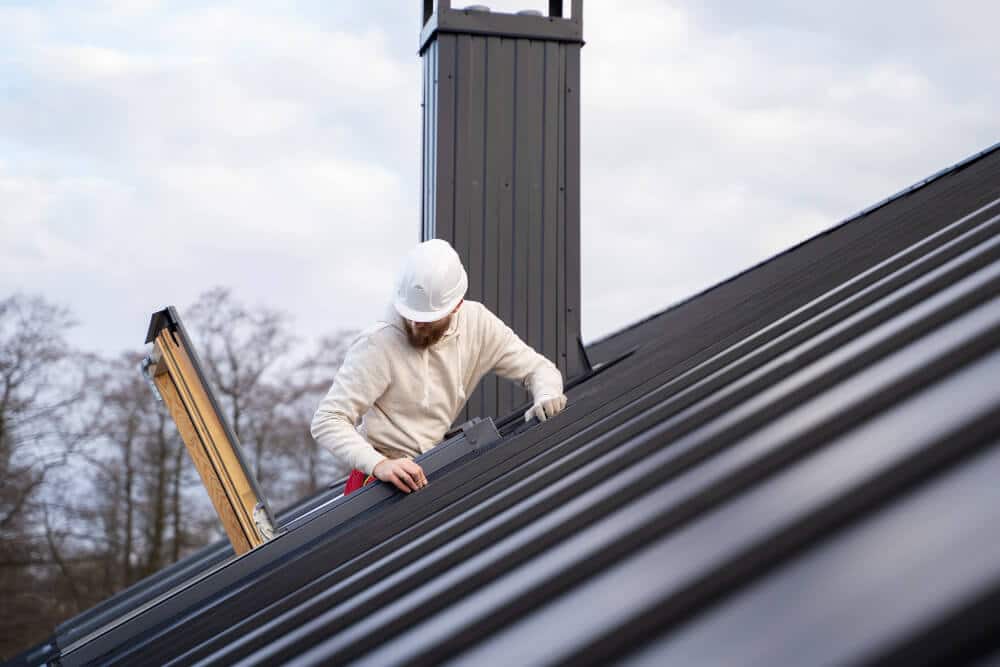
Common Causes of Chimney Leaks

Chimney leaks often result from a few common issues:

  • Lack of or Damaged Chimney Cover: A missing or damaged chimney cover can allow water to enter the chimney directly​.
  • Chimney Cap or Chase Cover Damage: The chimney cap or chase cover can lead to leaks, especially if rusted or broken​​
  • Brick and Mortar Deterioration: Over time, the brick and mortar can deteriorate, allowing water to seep​.
  • Flashing Issues: Improperly installed, damaged, or rusted flashing is a common cause of chimney leaks​.
  • Condensation: A less obvious cause, condensation inside the chimney, can lead to leaking problems​.

Identifying the Leak

Identifying the source of the leak is critical. Look for signs like water stains, peeling paint, or dampness around the chimney. Sometimes, using tools like a hose can help pinpoint the exact location of the leak.

Preparing for Repairs

Before attempting repairs, gather all necessary tools and materials, such as caulk, sealant, flashing material, and safety equipment. Remember, safety is paramount when working on a chimney.
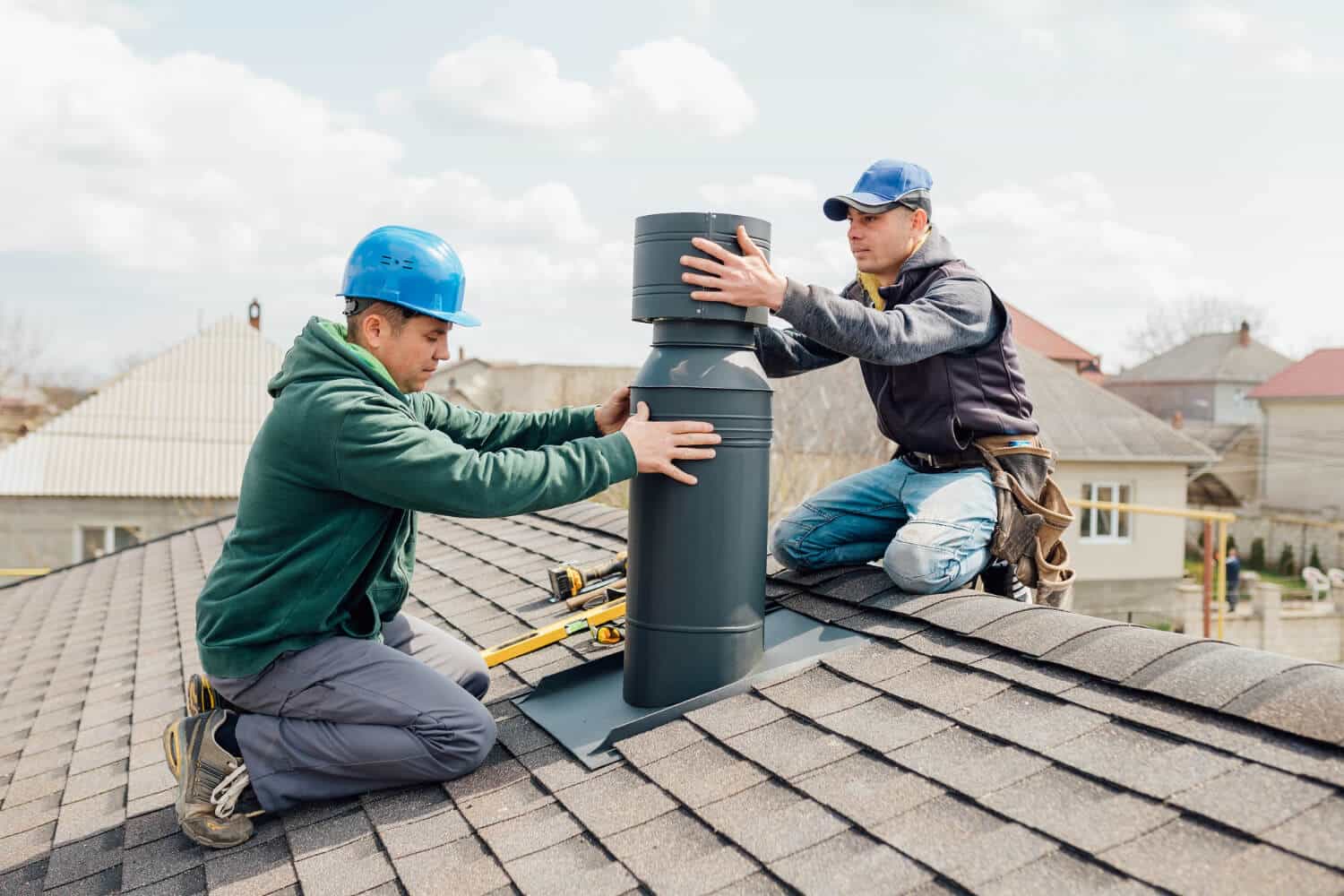
Step-by-Step Repair Guide

  1. Repairing the Chimney Crown: The chimney crown should be checked for cracks or damage and fixed using a suitable crown sealant​.
  2. Sealing Chimney Bricks: Apply a water-repellent sealant to the chimney bricks to prevent water penetration​.
  3. Installing or Repairing the Chimney Cap: Ensure the chimney cap is properly installed and in good condition. Replace if necessary​.
  4. Addressing Flashing Problems: Repair or replace any damaged flashing around the chimney. It’s one of the most common areas for leaks to occur​​​.
  5. Handling Condensation Issues: Ensure proper ventilation to reduce condensation within the chimney​.


Dealing with Complications

If you encounter any significant complications or the leak persists, it’s advisable to contact a professional for your chimney repair. Sometimes, issues can be more complex than they initially appear.

Preventative Measures

Regular maintenance and annual chimney inspections by a professional can prevent future leaks. Keep an eye on the condition of your chimney and address any minor issues promptly.

Conclusion

Fixing a leaking chimney is crucial to maintain the structural integrity of your home and prevent potential hazards. By understanding the common causes, identifying the source, and following the outlined steps, you can effectively address this common household problem. When in doubt, consult a professional to ensure the best care for your chimney.


The post How to Fix a Leaking Chimney: A Complete Guide appeared first on Era Pro Services.

]]>
https://eraproservices.com/fix-a-leaking-chimney/feed/ 0
2023 Fireplace Maintenance: Expert Guide https://eraproservices.com/fireplace-maintenance-2023-guide/ https://eraproservices.com/fireplace-maintenance-2023-guide/#respond Sun, 22 Oct 2023 23:23:53 +0000 https://eraproservices.com/?p=1617    A fireplace adds a cozy ambiance to your home and provides warmth during the cold Colorado winters. However, regular maintenance is crucial to ensure it functions efficiently and safely. This guide dives into the essentials of fireplace maintenance, covering everything from the basics to the nitty-gritty details. Key Takeaways: Regular fireplace maintenance, at least […]

The post 2023 Fireplace Maintenance: Expert Guide appeared first on Era Pro Services.

]]>
Chimney Sweep Guide
Chimney Sweep Guide


 A fireplace adds a cozy ambiance to your home and provides warmth during the cold Colorado winters. However, regular maintenance is crucial to ensure it functions efficiently and safely. This guide dives into the essentials of fireplace maintenance, covering everything from the basics to the nitty-gritty details.

Key Takeaways:

  • Regular fireplace maintenance, at least once or twice a year, is critical for safety and efficiency.
  • The type of fireplace—wood, gas, or electric—dictates the specific maintenance steps.
  • Professional chimney sweeps can provide thorough cleaning and inspection services.
  • DIY maintenance is possible but requires adherence to safety precautions and manufacturer’s guidelines.

Understanding Fireplace Maintenance

The Importance of Regular Maintenance

Regular maintenance of your fireplace is a non-negotiable task for every homeowner. It involves cleaning the chimney and the firebox, removing flammable materials like soot and creosote, and inspecting for any signs of damage or obstruction. This routine care not only prevents potential hazards such as chimney fires and carbon monoxide poisoning but also extends the life of your fireplace, ensuring it remains an inviting cornerstone in your home.​

Types of Fireplaces and Their Maintenance Needs

Different types of fireplaces—wood, gas, or electric—have varying maintenance requirements. While wood-burning fireplaces demand regular removal of soot and creosote, gas and electric fireplaces may need checks for proper ventilation and component functionality.​

Step-by-Step Fireplace Maintenance

Wood-Burning Fireplaces

  1. Regular Cleaning:
    • Clean the firebox and screens before each use.
    • Ensure the removal of ash, soot, and creosote buildup.
  1. Annual Inspection:
  1. Efficiency Tips:
    • Use seasoned wood to reduce creosote buildup.
    • Ensure proper ventilation to maximize heating efficiency. 4.


Gas Fireplaces

  1. Exterior Inspection:
    • Check for any gaps or cracks in the fireplace framework.
    • Clean the glass with a non-ammonia cleaning product​.
  1. Annual Professional Check:
    • Have a professional inspect the unit for malfunctions and ensure it’s appropriately mounted.

Electric Fireplaces

  1. Cleaning and Inspection:
    • Regularly clean and check for any electrical issues.
    • Ensure the unit is mounted correctly and free from any obstructions.
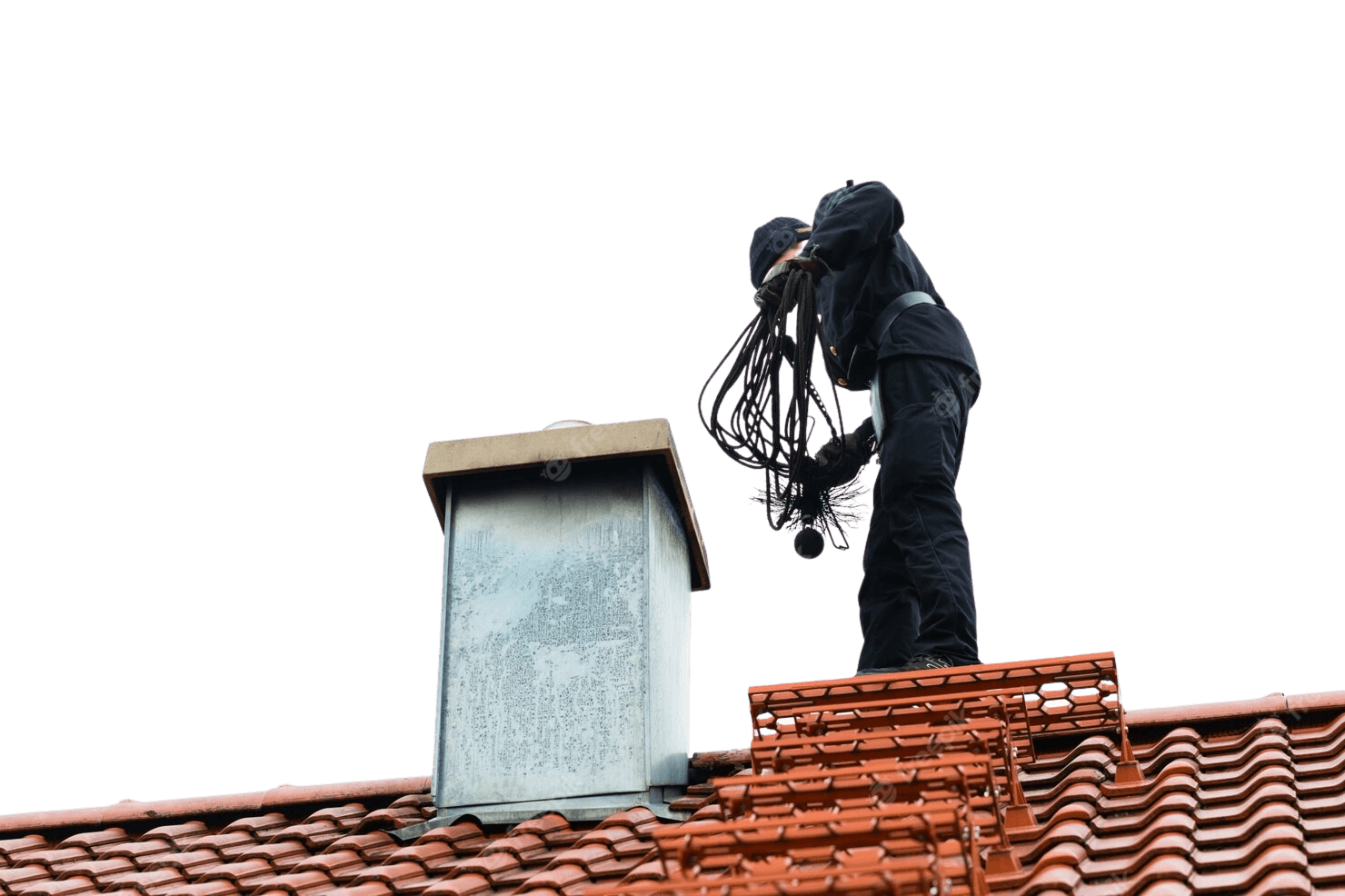
Chimney Sweep pro
Chimney Sweep Pro

DIY vs. Professional Fireplace Maintenance

DIY Maintenance

  • Following the manufacturer’s instructions is crucial for safely conducting DIY fireplace maintenance.
  • Ensure you have the necessary safety equipment and knowledge before cleaning or repairing your fireplace.

Hiring a Professional

  • Professional chimney sweeps can provide a thorough cleaning and inspection service, ensuring your fireplace is safe and ready for use.


The post 2023 Fireplace Maintenance: Expert Guide appeared first on Era Pro Services.

]]>
https://eraproservices.com/fireplace-maintenance-2023-guide/feed/ 0